
Website security has become an essential part of building trust online.
Customers share personal information.
Businesses process payments.
Users create accounts.
Companies exchange sensitive data through digital platforms.
Without proper protection, information moving between a website and its visitors can become vulnerable.
One of the most important technologies used to secure online communication is an SSL certificate.
An SSL certificate helps encrypt data exchanged between users and websites, creating a safer browsing experience. Businesses looking to protect their websites can explore different SSL certificate solutions based on their security and validation requirements.
However, not every SSL certificate is the same.
Different businesses have different security requirements, and choosing the right certificate type depends on the purpose of the website and the level of validation needed.
What is an SSL certificate?
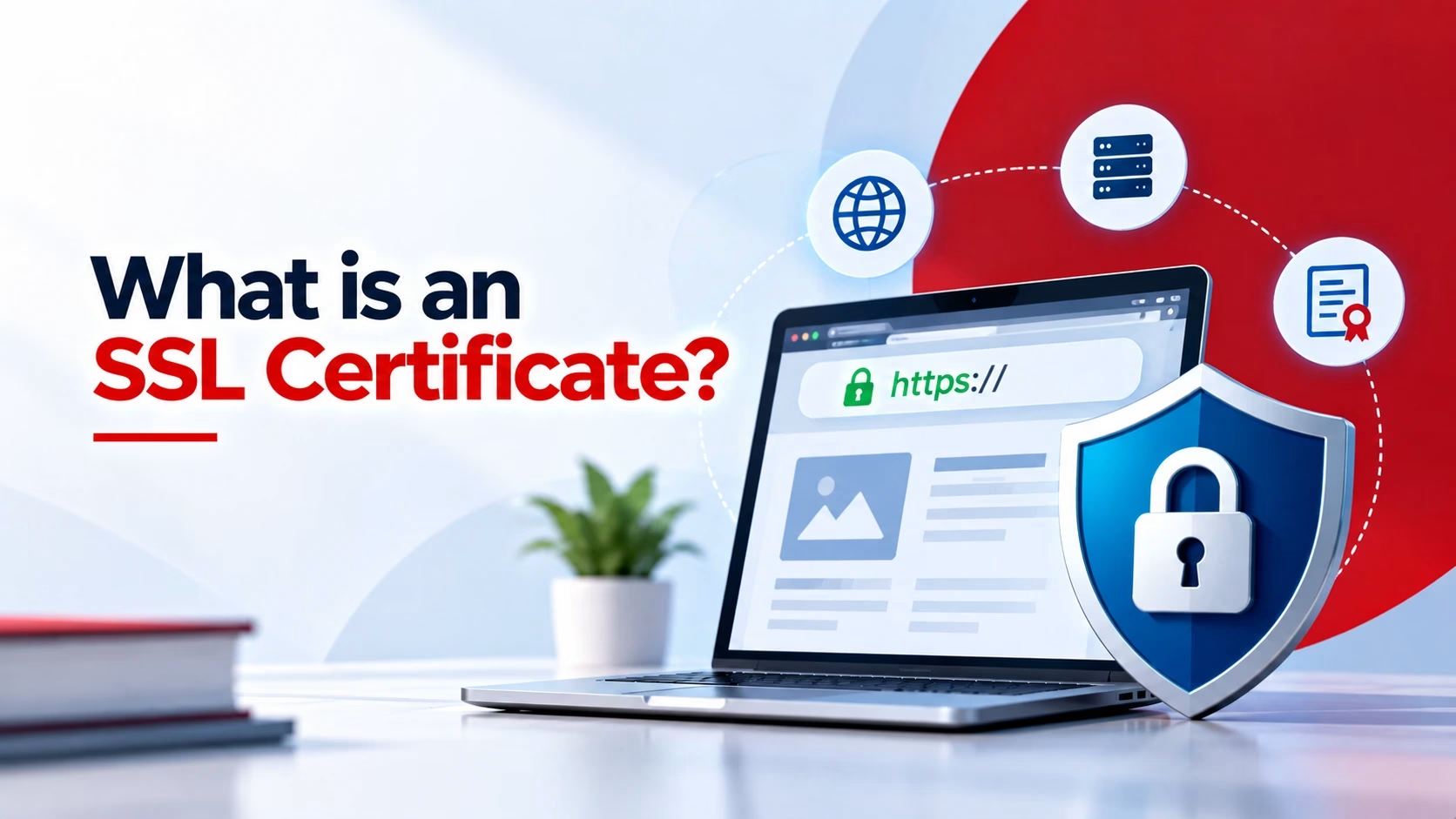
An SSL certificate is a digital certificate that creates an encrypted connection between a website and its visitors.
When a website uses SSL, browsers display HTTPS instead of HTTP.
This indicates that communication between the user and the website is protected.
SSL certificates help secure information such as:
- Login credentials
- Payment details
- Contact information
- Personal data
For modern websites, SSL is no longer optional.
It has become an expected part of a secure online presence. Understanding why SSL certificates are essential for website security can help businesses recognize their role in protecting online communication and building a more secure website environment.
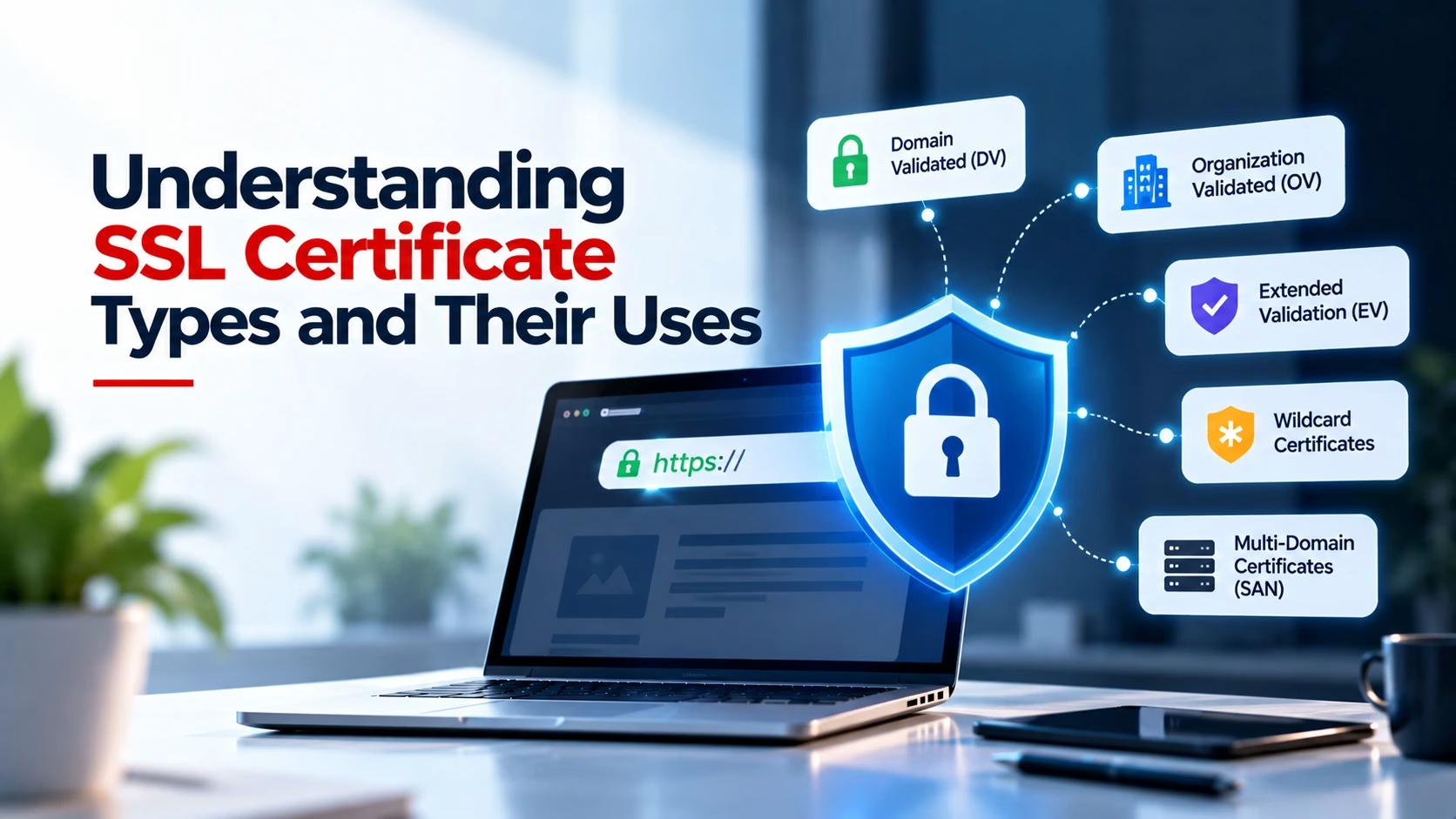
Domain Validated (DV) SSL Certificates
Domain Validated SSL certificates are the simplest type of SSL certificate.
They verify that the person requesting the certificate controls the domain.
The validation process is usually quick because it focuses only on domain ownership.
DV certificates are commonly used for:
- Personal websites
- Blogs
- Small business websites
- Informational pages
They provide encryption but involve limited identity verification.
For websites that mainly need secure browsing, DV SSL can be a practical option.
Organization Validated (OV) SSL Certificates
Organization Validated SSL certificates provide a higher level of verification.
In addition to checking domain ownership, the certificate authority verifies information about the organization.
This may include:
- Company details
- Business registration information
- Organizational identity
OV SSL certificates are often suitable for businesses that want customers to have more confidence in the authenticity of their website.
They provide both encryption and additional organizational verification.
Extended Validation (EV) SSL Certificates
Extended Validation SSL certificates involve a more detailed verification process.
The certificate authority performs additional checks to confirm the organization’s identity.
These certificates are commonly associated with businesses that handle sensitive customer information or require stronger identity verification.
Examples may include:
- Financial services
- Large enterprises
- Online platforms handling sensitive transactions
The purpose is creating stronger trust signals for users.
Wildcard SSL Certificates
Many businesses operate websites with multiple subdomains.
For example:
mail.example.com
shop.example.com
support.example.com
A Wildcard SSL certificate can secure a main domain and multiple subdomains under the same certificate.
This makes management easier for organizations that operate several related online services.
Multi-Domain SSL Certificates
Some businesses manage multiple separate domains.
For example, a company may have different websites for different brands, regions, or services.
Multi-Domain SSL certificates allow organizations to secure multiple domains using one certificate.
This simplifies certificate management and can reduce administrative effort.
Single-Domain SSL Certificates
A Single-Domain SSL certificate protects one specific domain.
It is suitable for businesses that operate one main website and do not require protection for additional domains or subdomains.
Many small and medium-sized websites use this option because it provides the required security without unnecessary complexity.
Why Businesses Need the Right SSL Certificate
Choosing an SSL certificate is not only about encryption.
Businesses should consider:
- Website purpose
- Customer expectations
- Data sensitivity
- Number of domains
- Security requirements
A simple informational website may not need the same certificate type as an online platform processing customer transactions.
Selecting the right option ensures businesses receive appropriate protection without paying for unnecessary features.
SSL Certificates Support Customer Trust
Visitors have become more aware of website security.
Browsers display warnings for websites without secure connections.
Customers hesitate when they see security concerns.
An SSL certificate helps businesses create a safer environment and demonstrates that protecting user information is a priority.
Secure connections are particularly important when users submit personal or payment information. Understanding how SSL encryption builds trust and protects customer data can help businesses see why encryption is an important part of the overall customer experience.
Trust is especially important for businesses collecting customer data online.
SSL Works with Broader Security Practices
An SSL certificate is an important security component, but it is not a complete website protection solution.
Businesses should also focus on:
- Regular updates
- Secure hosting
- Strong passwords
- Website monitoring
- Backup strategies
A secure website requires multiple layers of protection working together.
Hosting also plays an important role in maintaining a reliable website environment. Businesses can consider hosting features such as unlimited bandwidth and free SSL when evaluating how hosting performance and basic website security can work together.
Where Chromeis Fits
Chromeis helps businesses implement SSL certificate solutions that support secure communication and stronger online trust. From selecting the right SSL certificate type and installation to configuration, renewal management, and integration with hosting environments, Chromeis helps organizations protect website connections and improve customer confidence.
The focus is on providing security solutions that match each business’s technical requirements and online operations.
Final Thought
SSL certificates are a basic requirement for modern websites.
They protect information, support customer confidence, and help businesses create safer digital experiences.
Understanding different SSL certificate types allows organizations to choose the right level of protection based on their website needs.
A secure connection is a small technical step that creates a significant impact on online trust.
Frequently Asked Questions
1. What type of SSL certificate does my website need?
The right SSL certificate depends on the website’s purpose, the number of domains or subdomains that need protection, and the level of identity validation required. A simple website may use a DV certificate, while businesses requiring organizational verification may consider OV or EV certificates.
2. What is the difference between DV, OV, and EV SSL certificates?
DV certificates primarily verify control of the domain. OV certificates also verify information about the organization, while EV certificates involve a more detailed organizational validation process. All three provide encrypted connections, but their identity verification requirements differ.
3. Can one SSL certificate protect multiple websites?
Yes. Multi-Domain SSL certificates can protect multiple specified domains under one certificate. If a business needs to protect a primary domain and multiple related subdomains, a Wildcard SSL certificate may be more appropriate.
4. Does an SSL certificate protect a website from every security threat?
No. SSL encrypts communication between the website and its visitors, but it does not protect against every type of website security threat. Regular software updates, secure hosting, backups, monitoring, strong access controls, and other security practices are still necessary.
5. Why is HTTPS important for business websites?
HTTPS indicates that communication between the visitor’s browser and the website is encrypted using TLS/SSL. This helps protect sensitive information during transmission and gives visitors a clear indication that the website is using a secure connection.
Similar Post
Common Website Security Vulnerabilities and How to Address Them
A website is more than a digital presence. For
How SSL Encryption Builds Trust and Protects Customer Data
People share information online every day. They sign in