

Remote work sounds simple. An employee opens a laptop. Logs into company systems. Continues working.
From the outside, it looks no different than working in an office. The reality is very different.
When people work inside an office, most activity happens within a controlled network. When they work remotely, information travels across home connections, public networks, hotels, airports, and countless other environments.
The flexibility is valuable. The risk increases as well.
That’s why businesses continue investing in a virtual private network in Pakistan. Not because remote work is dangerous. Because secure remote work requires the right foundation.
Remote work changed how businesses think about security
A few years ago, most business systems were accessed from one location. The office. The network was easier to manage.
Devices were easier to monitor. Access was easier to control. Today, employees connect from multiple places.
Different cities. Different countries. Different devices. Security boundaries that once existed naturally no longer exist.
Businesses need new ways to protect information.
Public internet connections aren’t designed for business security
Most people connect to the internet without thinking about it. Home Wi-Fi. Coffee shops. Shared workspaces. Hotels. These networks are convenient. They aren’t always secure.
Information moving across unsecured networks can become vulnerable to interception.
A VPN helps reduce that risk by creating an encrypted connection between users and business systems. To understand how encrypted connections safeguard sensitive information, explore Privacy Using Secure Virtual Private Network.
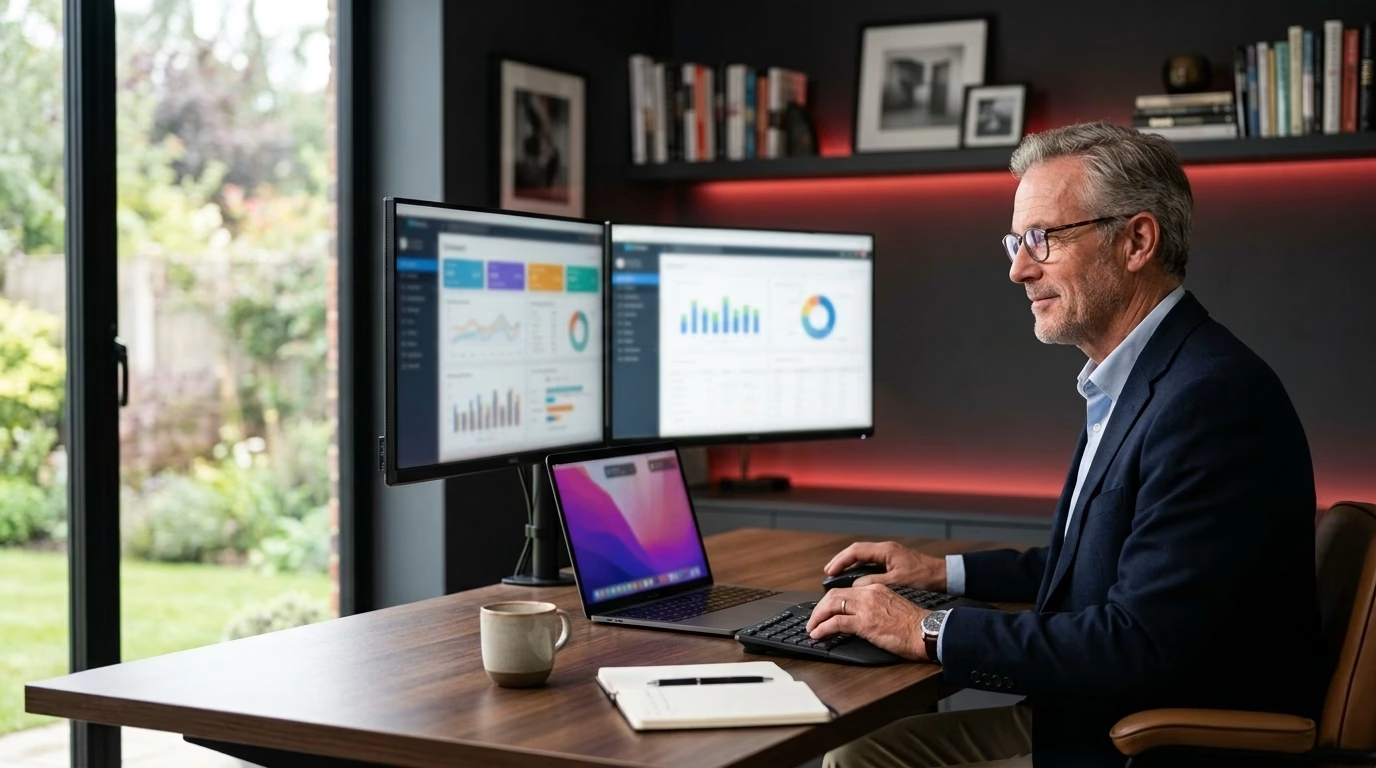
Data travels constantly
Modern businesses move information every day. Customer records. Financial documents. Internal reports. Business communications.
Employees often access this information remotely.
Without protection, sensitive data travels across networks that businesses do not control.
That’s one reason private network security in Pakistan has become increasingly important.
Security should not depend on location
A common mistake businesses make is assuming security only matters outside the office. In reality, security should remain consistent regardless of location.
Whether an employee works from headquarters or from home, access standards should remain the same.
VPN solutions help create that consistency. The user changes location. The security standards do not.
Remote access creates visibility challenges
In-office environments make monitoring easier. IT teams can see who is connected.
What systems are being accessed. Where activity is occurring. Remote work creates more complexity.
VPN platforms help organizations maintain visibility into remote access activity while supporting flexible work environments.
Businesses looking to improve secure connectivity can learn more about Remote Access with Reliable Virtual Private Network Services.
Convenience often creates risk
Employees naturally choose the easiest path. It’s human nature.
If accessing systems securely feels complicated, people look for shortcuts.
Files get downloaded locally. Sensitive information gets shared through unapproved channels.
Security solutions need to be practical. Otherwise adoption becomes difficult.
The best VPN environments balance protection with usability.
Cyber threats increasingly target remote users
Attackers understand how businesses operate. They know remote work is common. They know employees connect through different networks.
This makes remote access a frequent target.
Strong authentication and secure VPN access help reduce opportunities for unauthorized access.
Business continuity depends on secure access
Remote work is no longer temporary for many organizations. It has become part of normal operations. Employees need access. Partners need access.
Management needs access. Secure connectivity helps ensure work continues regardless of location.
Business continuity and secure access have become closely connected.
If you’re evaluating long-term remote work strategies, read Virtual Private Network Matters for Remote Work to understand why VPNs have become an essential part of modern business operations.
Many businesses adopt VPNs after a security concern
The pattern is surprisingly common. A suspicious login occurs. Sensitive data is shared incorrectly.
Access controls become difficult to manage. Only then does secure remote access become a priority.
Businesses that implement VPN solutions earlier often avoid many of these problems entirely.
Where Chromeis Fits
Chromeis helps businesses implement virtual private network services in Pakistan that support secure remote work without creating unnecessary complexity.
By focusing on encrypted connectivity, secure authentication, access management, and reliable performance, Chromeis helps organizations protect sensitive information while allowing teams to work productively from any location.
The objective is to create secure access environments that support business flexibility without compromising security.
Final Thought
Remote work isn’t going away. Neither are the security challenges that come with it.
As employees access systems from more locations and more devices, businesses need ways to protect information beyond the office network.
VPN solutions provide that protection by securing how information travels between people and systems.
When access remains secure, businesses gain the flexibility of remote work without exposing themselves to unnecessary risk.
Frequently Asked Questions (FAQs)
1. What is a virtual private network (VPN)?
A virtual private network (VPN) creates an encrypted connection between a user’s device and a private network, helping protect sensitive business data from unauthorized access while using the internet.
2. Why do businesses need a VPN for remote work?
A VPN allows employees to securely access company systems from home, public Wi-Fi, or while traveling. It helps protect confidential information and reduces the risk of cyberattacks on remote connections.
3. Is a VPN necessary for small businesses?
Yes. Small businesses are increasingly targeted by cyber threats. A VPN provides secure remote access, protects sensitive information, and helps maintain business continuity without requiring complex infrastructure.
4. Does a VPN improve online privacy?
Yes. VPNs encrypt internet traffic, making it more difficult for third parties to intercept data or monitor online activity. This added layer of privacy is especially valuable when using public or shared networks.
5. What features should businesses look for in a VPN solution?
Businesses should choose a VPN that offers strong encryption, secure authentication, reliable performance, centralized access management, scalability, and support for remote teams working across multiple locations.
Similar Post
Why Businesses Need VPN Solutions for Secure Remote Access
The way people work has changed. Employees no longer

Protect Online Privacy Using Secure Virtual Private Network Services
Working online feels normal now. Files are shared. Systems