

Most people don’t find out their website is hacked because of a warning. They find out because something feels wrong. A client message. A customer asks why the site looks strange. Google sends a notice. Or traffic just drops for no clear reason.
That’s usually how it starts. Not dramatic. Just uncomfortable.
The first reaction is almost always the wrong one
Panic kicks in fast. People start clicking around. Deleting files. Changing passwords everywhere. Sometimes they uninstall things just to “clean it up.” Sometimes they shut the site down completely. All of that feels productive. Most of it isn’t. Rushing hides the real problem more often than it fixes it especially when trying to fix a hacked WordPress site without understanding how the breach actually happened.
A hacked site doesn’t always look hacked
This is what confuses people. Sometimes nothing obvious changes. No defaced pages. No strange pop-ups. No visible damage. The site loads. The content looks fine. Meanwhile, hidden scripts are running. Redirects only trigger for search engines. Backdoors sit quietly waiting. Assuming “it looks fine” is how hacked sites stay hacked.
Deleting files doesn’t clean a site
People look for files that “don’t belong.” That rarely works. Hackers don’t always add new files. They modify existing ones. They hide code inside normal-looking scripts. Fixing a hacked website means knowing what should exist and what shouldn’t. Guessing creates false confidence.
WordPress makes this trickier
When fixing a hacked WordPress site, things get messy fast. Themes. Plugins. Core files. Custom code. Everything blends together. Reinstalling WordPress alone doesn’t solve the problem if plugins are still compromised or access is still weak. WordPress isn’t fragile but it’s forgiving. Sometimes too forgiving.
Backups help only when they’re clean
Everyone talks about backups once something breaks. But backups only help if they’re from before the hack. Restoring a backup without confirming when the breach happened just restores the same problem.
That’s how sites get reinfected and nobody understands why. Backups are useful. Blind trust in backups isn’t.

Passwords aren’t the main fix
Changing passwords feels like control. It helps but it’s not the solution. If malicious code is still present, passwords don’t matter.
The site is already compromised. Passwords come after cleanup, not instead of it.
Hosting is often part of the problem
Many hacked sites share the same background. Old hosting setups. Overcrowded servers. No isolation. No monitoring.
You can clean the site perfectly and still get hacked again if the environment stays weak. That’s why recovery often involves upgrading to High-Traffic WordPress Hosting that’s built for isolation, performance, and security not just uptime.
Fixing a hacked site means fixing where it lives.
Google notices before owners do
Search engines are good at spotting compromised sites. Once flagged, rankings drop. Warnings appear. Trust disappears.
Even after fixing everything, recovery takes time. That’s why delay matters. The longer a hacked site stays live, the deeper the damage goes.
Trust doesn’t come back instantly
Cleaning files is technical. Restoring confidence is not. Visitors remember warnings. Customers remember redirects. Clients remember downtime.
Fixing the site is only half the work. Showing that it’s now secure matters just as much.
Prevention usually looks boring
Most hacked sites weren’t unlucky. They were outdated. Old plugins. Ignored updates. Weak credentials. No monitoring.
Nothing dramatic. Just neglect. Prevention is quieter, cheaper, and far less stressful than recovery especially when businesses secure their website with reliable hosting services instead of treating hosting as an afterthought.
Why this happens so often locally
In Pakistan, many businesses rely on low-cost hosting and outdated websites. Security feels optional until it isn’t.
Hackers don’t target size. They target exposure. Common setups get attacked because they’re easy.
Recovery should change habits
The worst outcome is fixing a site and doing nothing differently afterward. Updates matter. Access matters. Monitoring matters.
Security isn’t a one-time task. It’s ongoing attention.
Where ChromeIS fits
ChromeIS treats hacked website recovery as an investigation, not a cleanup job.
The focus is on:
- understanding how access was gained
- removing malicious code completely
- securing the hosting environment
- tightening future access
- helping restore stability
The goal isn’t cosmetic fixes. It’s long-term safety.
Fixing the site isn’t the end
It’s the reset point. What matters next is whether the same mistakes repeat. Security improves when attention continues after the crisis passes.
Final thought
A hacked site doesn’t mean failure. Ignoring the cause does. Fixing a hacked site quickly and securely requires patience, not panic. Understanding, not guessing.
When done properly, recovery doesn’t just bring the site back. It makes it harder to break next time.
Similar Post
Recover and Reinforce Systems After a Fix Hacked Website Process
A hacked website doesn’t always look dramatic at first.
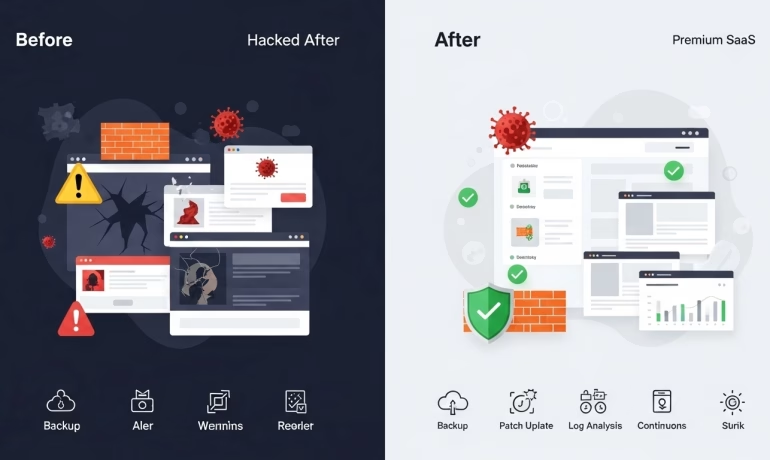
Step-by-Step Fix Hacked Website Process: Cleanup, Recovery, and Protection
Most website owners don’t realize their site has been