
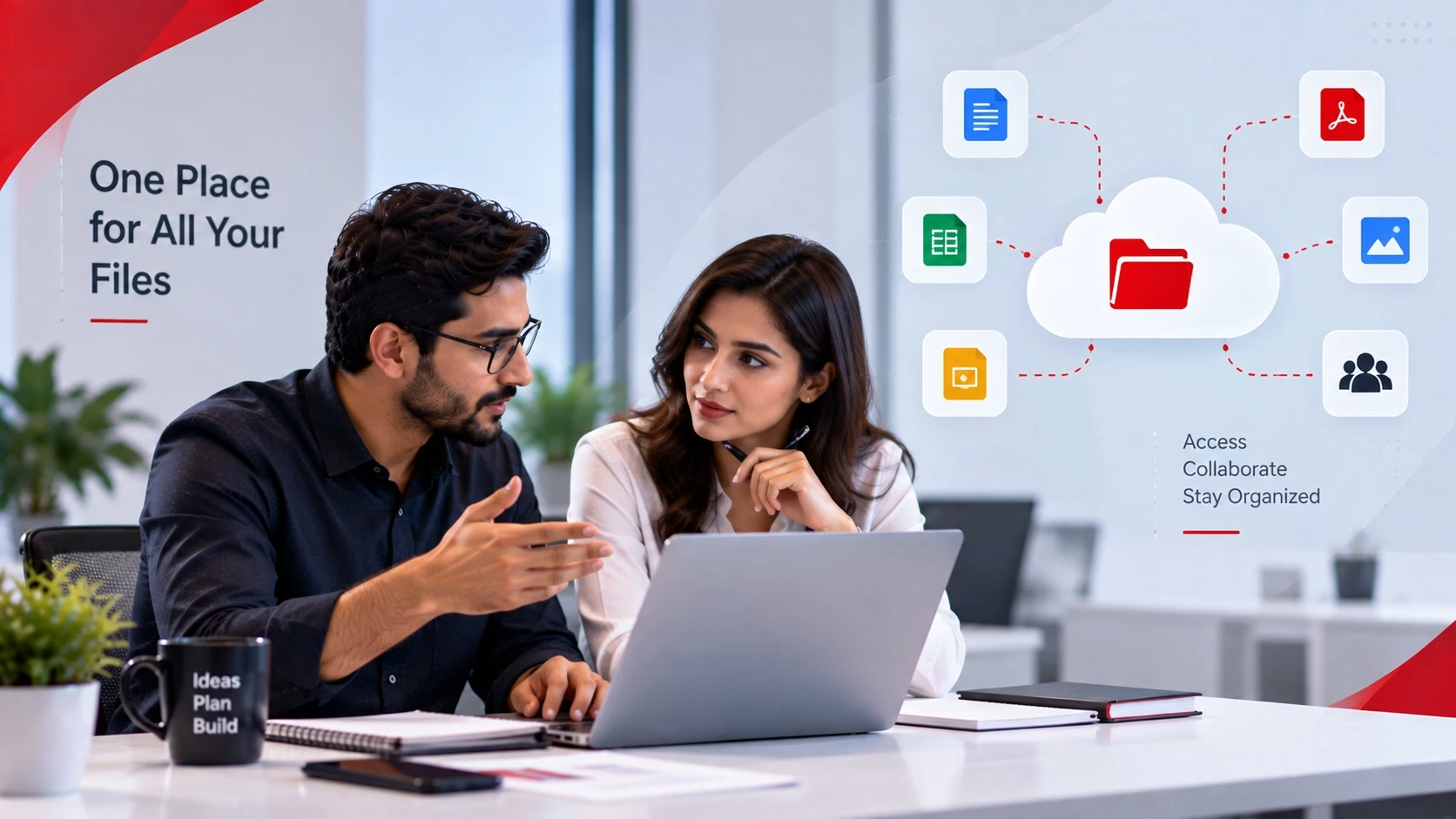
Modern businesses depend on access.
Access to applications.
Access to files.
Access to business systems.
Access to information employees need to complete their work.
In traditional office environments, employees usually access everything from company computers connected to the office network.
That approach becomes more challenging when teams become distributed.
Employees work remotely.
Companies open new branches.
Teams collaborate from different locations.
Businesses need a secure way for people to access their work environment without being physically present.
This is where RDP Server solutions become useful.
Remote Desktop Servers allow users to connect to a computer environment from another location and work as if they were sitting directly in front of the system.
For businesses considering this approach, understanding how remote desktop servers work can help clarify their role in modern remote operations.
Remote Work Becomes Easier
Remote work has become a normal part of modern business.
Employees may work from home.
Consultants may support projects from different cities.
Managers may need access while travelling.
A remote desktop environment allows employees to access the tools and applications they need without carrying a complete office setup everywhere.
They simply connect securely and continue working.
This flexibility helps businesses maintain productivity regardless of location.
Businesses can also explore the broader benefits of RDP servers for remote business operations to understand how remote desktop infrastructure can support distributed teams.
Centralized Access Improves Management
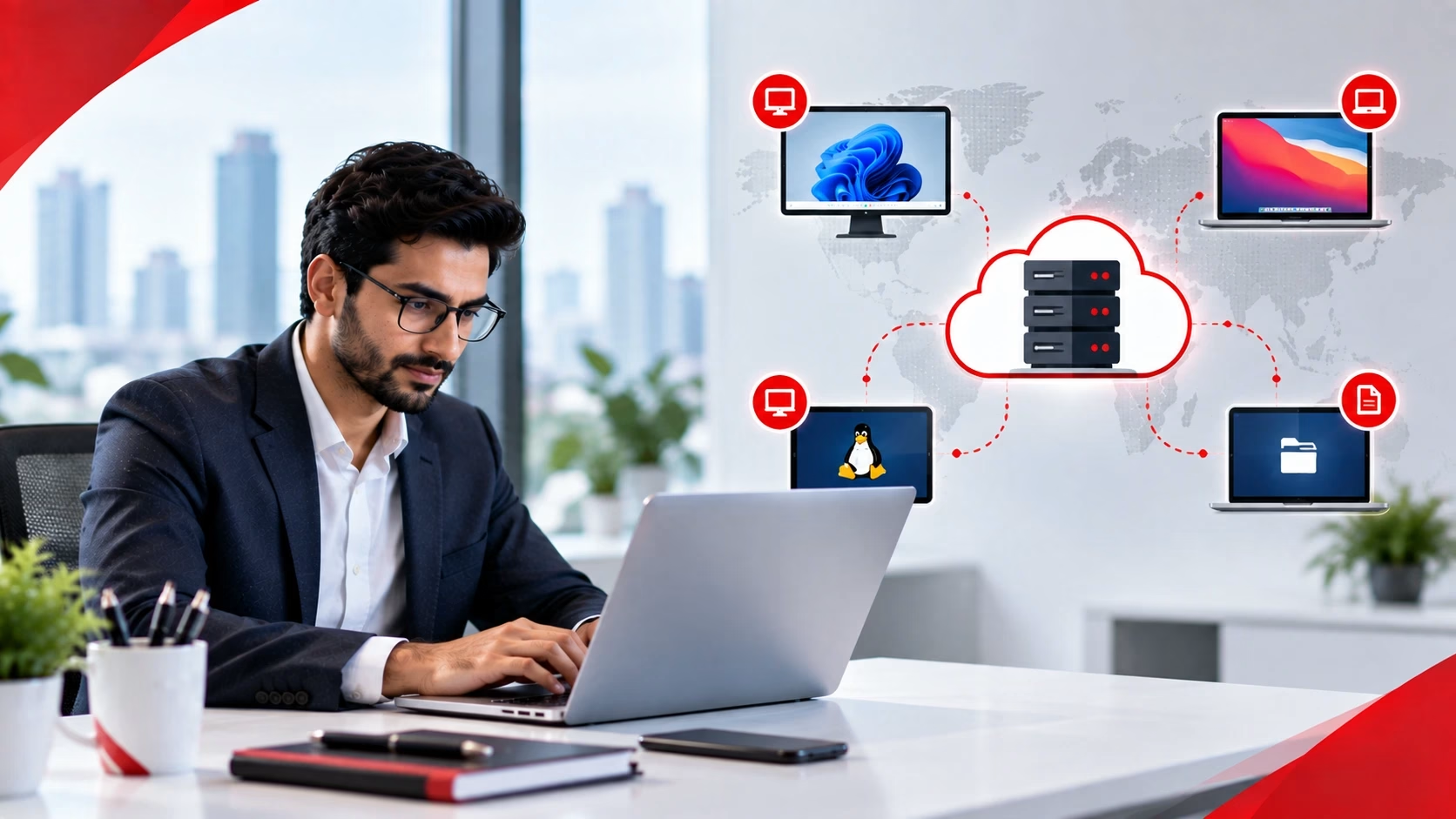
Managing multiple employee devices can become complicated.
Different computers have different configurations.
Some may miss updates.
Others may not have the required software installed.
A remote desktop server creates a more centralized working environment.
Applications, files, and settings can be managed from one location.
This makes administration easier and helps businesses maintain consistency across their teams.
Business Applications Become Available Anywhere
Many organizations rely on specialized software.
Accounting applications.
Business management systems.
Industry-specific tools.
Internal platforms.
Installing and maintaining these applications on every employee device can require significant effort.
With remote desktop servers, businesses can host important applications in one controlled environment while allowing authorized employees to access them remotely.
This can make it easier for employees working from different locations to use the same applications and working environment.
Data Remains Centralized
One challenge with remote work is controlling business information.
Employees may store files on personal devices.
Important documents may exist in multiple locations.
This creates unnecessary risks.
A centralized remote desktop environment keeps business data within a controlled system instead of spreading it across different computers.
This improves organization and makes data management easier.
Security Becomes Easier to Manage
Every additional device connected to business systems creates another security consideration.
Remote desktop solutions allow businesses to control access through authentication, user permissions, and security policies.
Administrators can manage who accesses the environment and what resources they can use.
This creates better visibility compared to allowing unrestricted access from multiple personal devices.
Businesses evaluating RDP for remote work can also review RDP servers and their benefits for remote business operations for additional context.
Teams Can Work With Better Continuity
Technical issues happen.
A laptop may fail.
A device may be lost.
An employee may need to switch locations quickly.
When work depends on a centralized remote environment, employees can reconnect from another device and continue their tasks.
The working environment remains available even when individual hardware creates problems.
Useful for Businesses With Distributed Teams
Not every company has employees sitting in one office.
Many organizations now operate with:
- Remote employees
- International teams
- Freelancers
- External consultants
- Branch offices
Remote desktop servers provide a practical way to give different users access to business resources without creating separate infrastructure for every location.
Performance Depends on the Right Setup
A remote desktop environment needs proper planning.
The server must have enough processing power.
Storage should match application requirements.
Network connectivity should be reliable.
Choosing the wrong configuration can create slow experiences for users.
Businesses should evaluate workload requirements before selecting an RDP hosting environment.
The number of users, applications being accessed, storage requirements, and expected workload can all influence the appropriate server configuration.
Remote Desktop Is Not Only for Employees
Businesses use remote desktop solutions for different purposes.
Development environments.
Customer support systems.
Testing platforms.
Administrative work.
Temporary project access.
The technology is useful anywhere users need a consistent computing environment available from different locations.
Where Chromeis Fits
Chromeis helps businesses deploy reliable remote desktop server solutions that support flexible work environments and secure access to business applications.
By understanding user requirements, application workloads, security needs, and performance expectations, Chromeis provides RDP hosting environments designed for smooth remote operations.
The goal is to help organizations give employees secure access to the tools they need while maintaining better control over business resources.
Final Thought
The modern workplace is no longer defined by a single location.
Employees need the ability to work securely from wherever business takes them.
Remote Desktop Servers provide a practical solution by combining accessibility, centralized management, and controlled access to important applications.
For businesses building flexible operations, the right remote desktop environment can become an important part of staying productive and connected.
Frequently Asked Questions
1. What is an RDP Server?
An RDP Server is a remote computing environment that allows authorized users to connect to a computer or server from another location. Users can access applications, files, and other resources as though they were working directly on the remote system.
2. What are the main benefits of remote desktop servers for businesses?
Remote desktop servers can make remote work easier, centralize applications and data, simplify administration, provide controlled access to business resources, and help employees maintain continuity when working from different locations.
3. Can multiple employees use an RDP Server?
Yes. Remote desktop environments can be configured to provide access to multiple authorized users. The appropriate server resources depend on the number of users and the applications or workloads they need to run.
4. Are RDP Servers suitable for remote teams?
Yes. RDP Servers can be useful for businesses with remote employees, international teams, freelancers, consultants, and branch offices because they provide centralized access to a consistent working environment.
5. What should businesses consider before choosing an RDP Server?
Businesses should consider the number of users, processing requirements, storage needs, network reliability, applications being used, security requirements, and expected workload. Selecting a configuration that matches these requirements helps provide a smoother remote desktop experience.
Similar Post
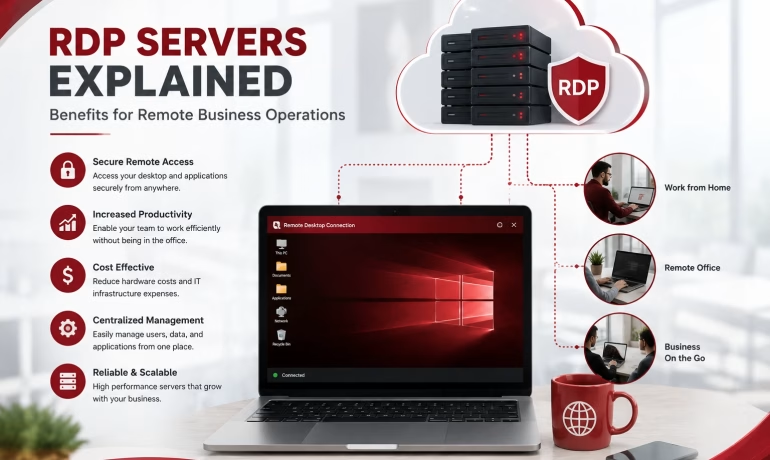
RDP Servers Explained: Benefits for Remote Business Operations
There was a time when employees needed to be
Benefits of RDP Servers for Remote Business Operations
Most businesses don’t think about remote desktops until they